Friday, December 28, 2012

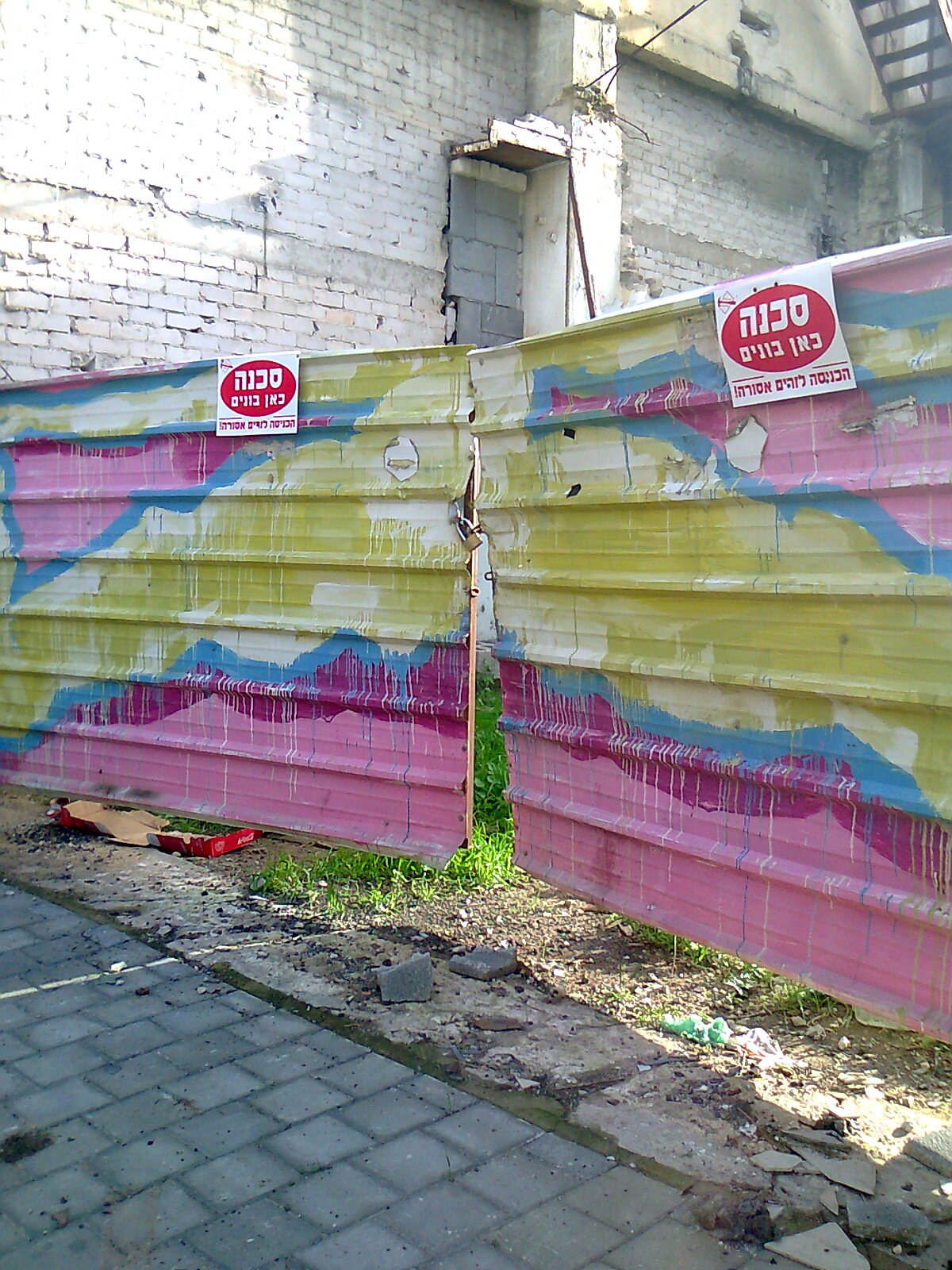
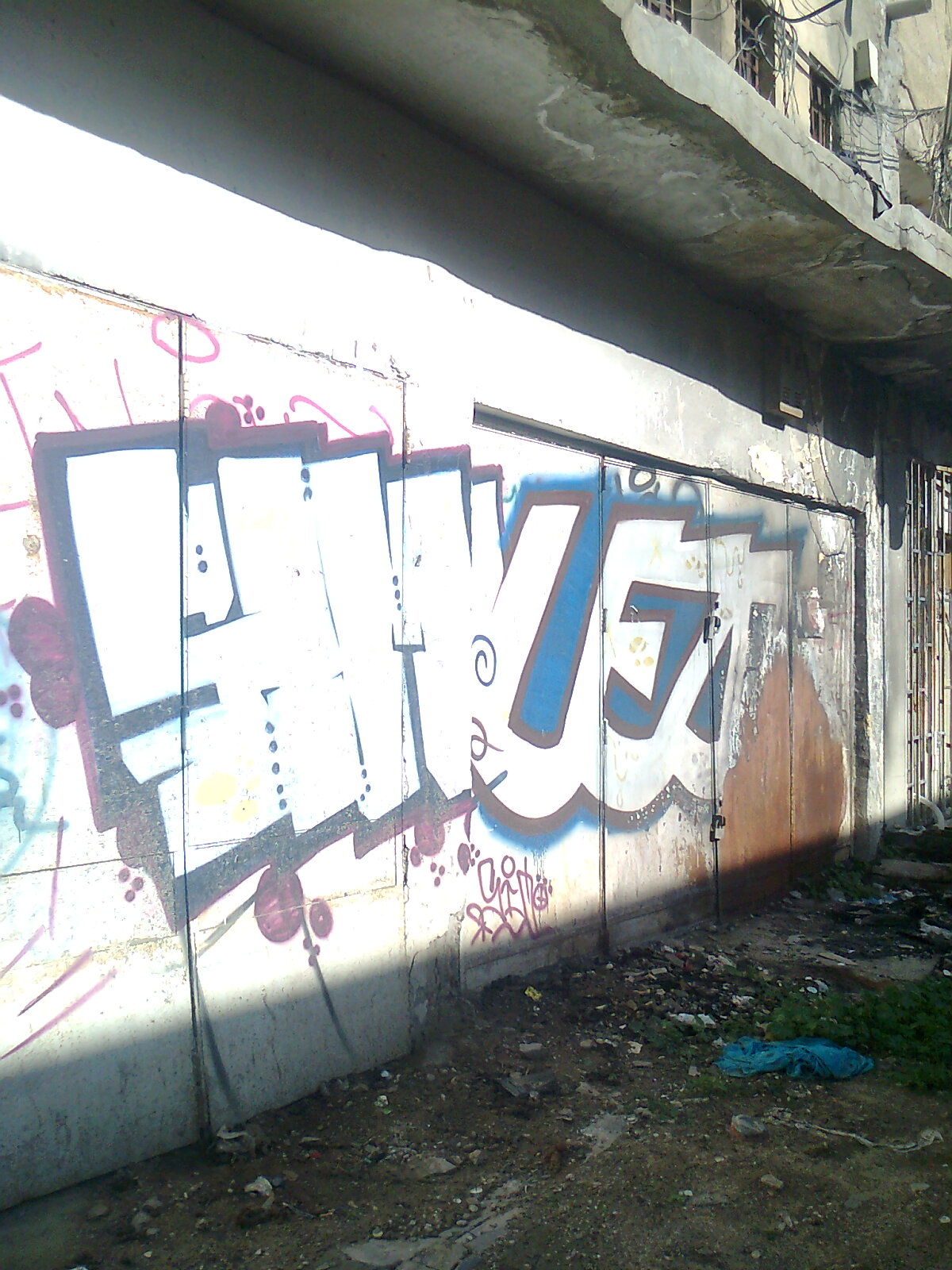
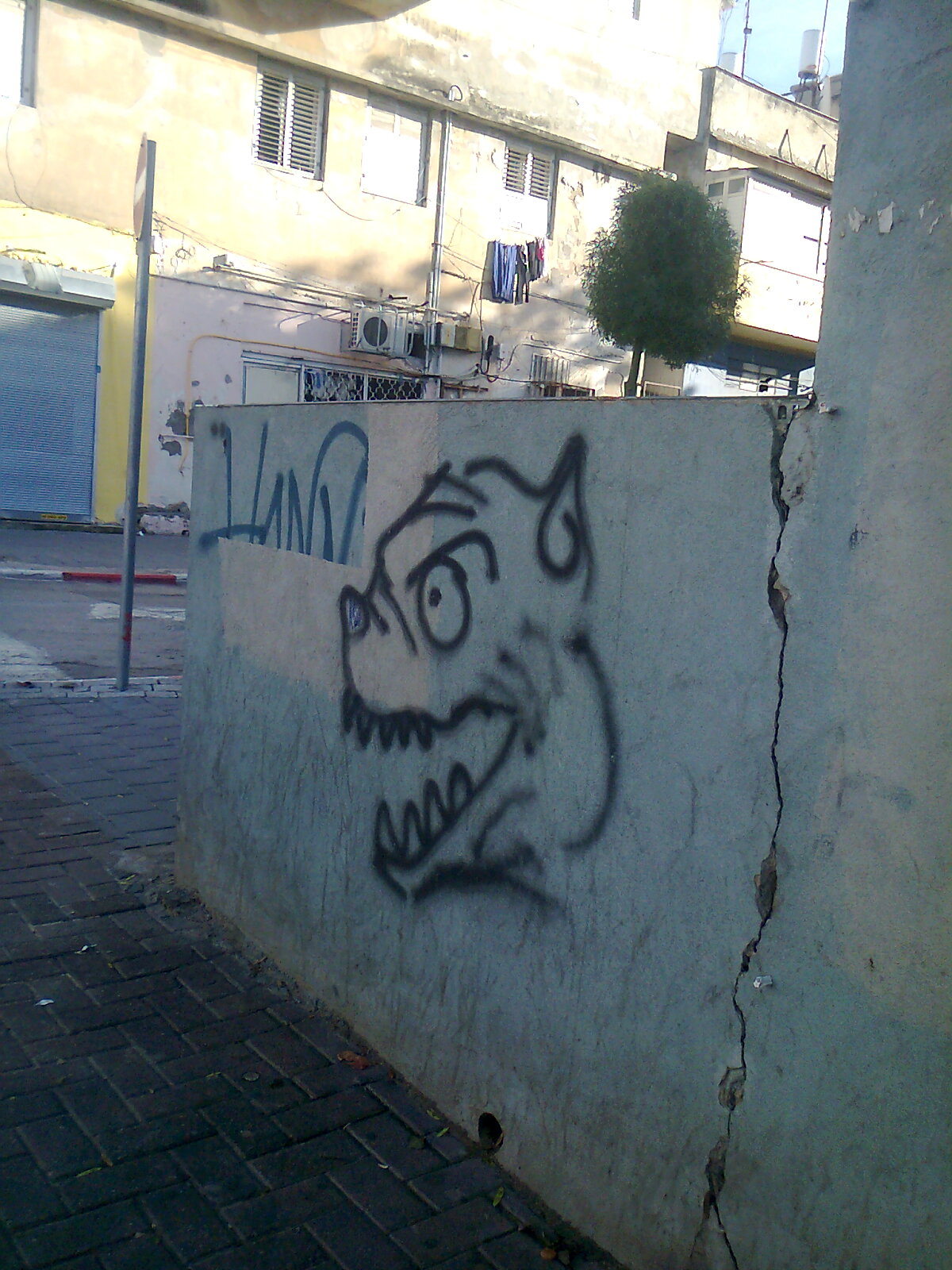
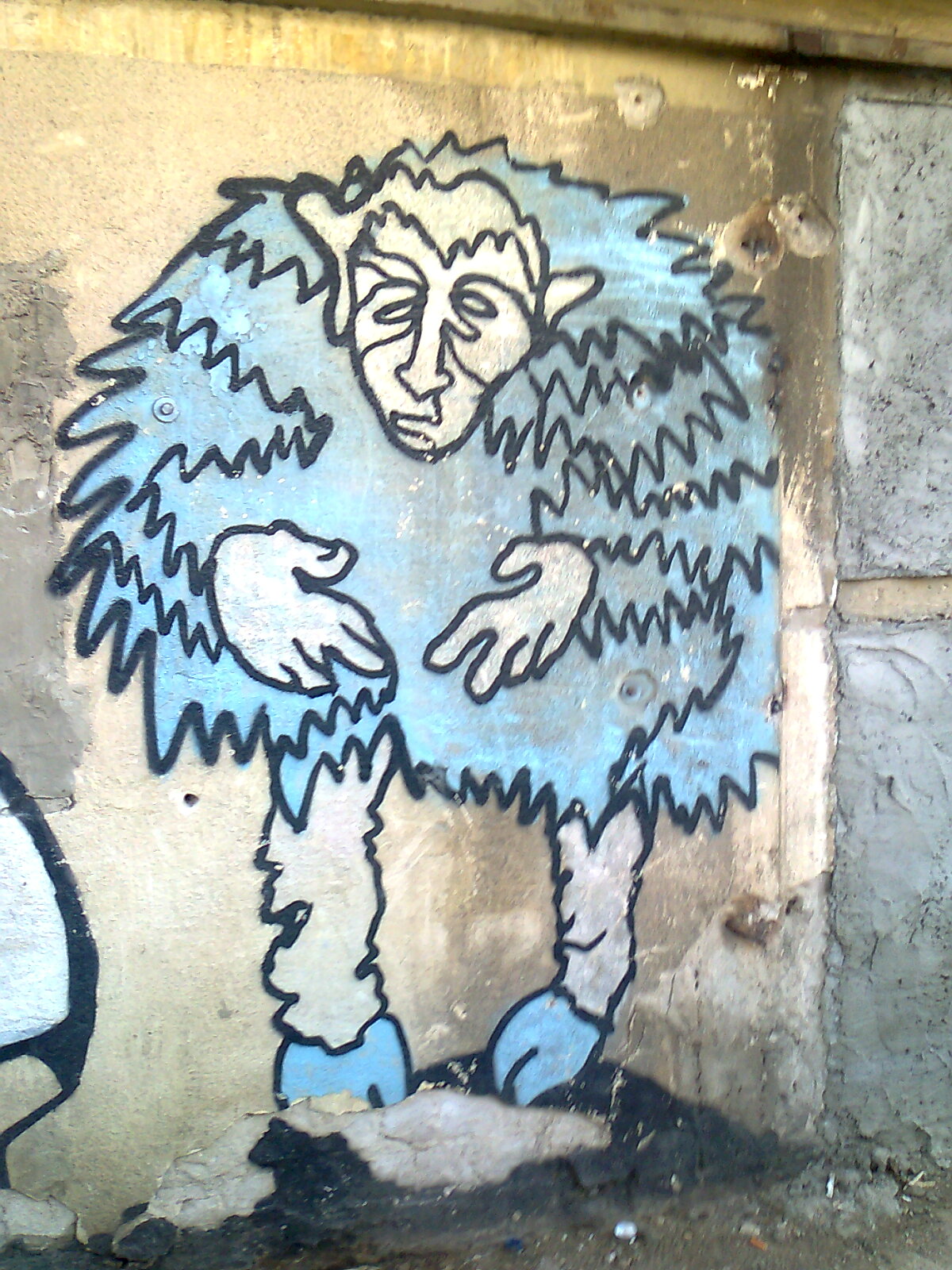
Street Art in South Tel Aviv: part 2

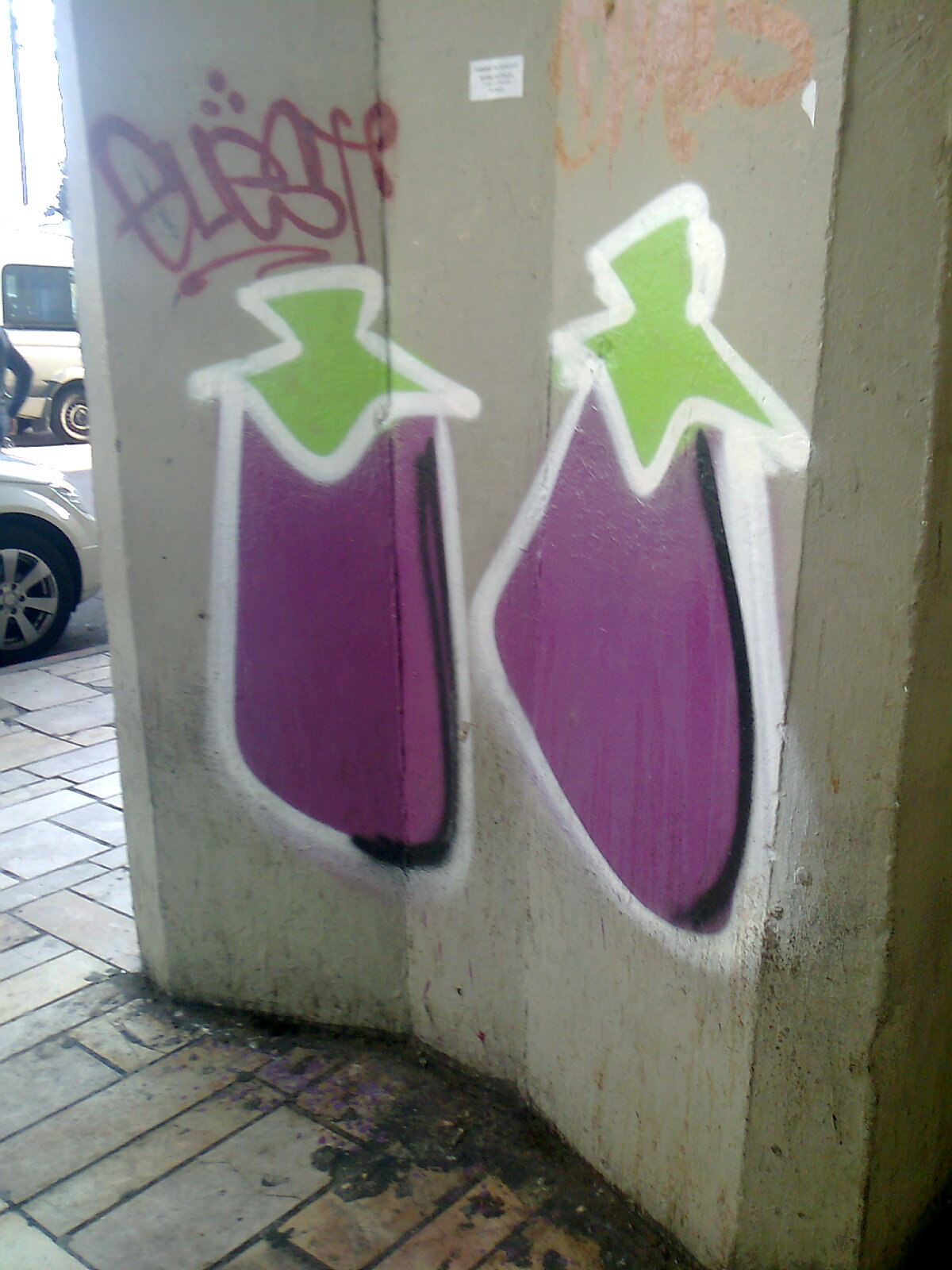
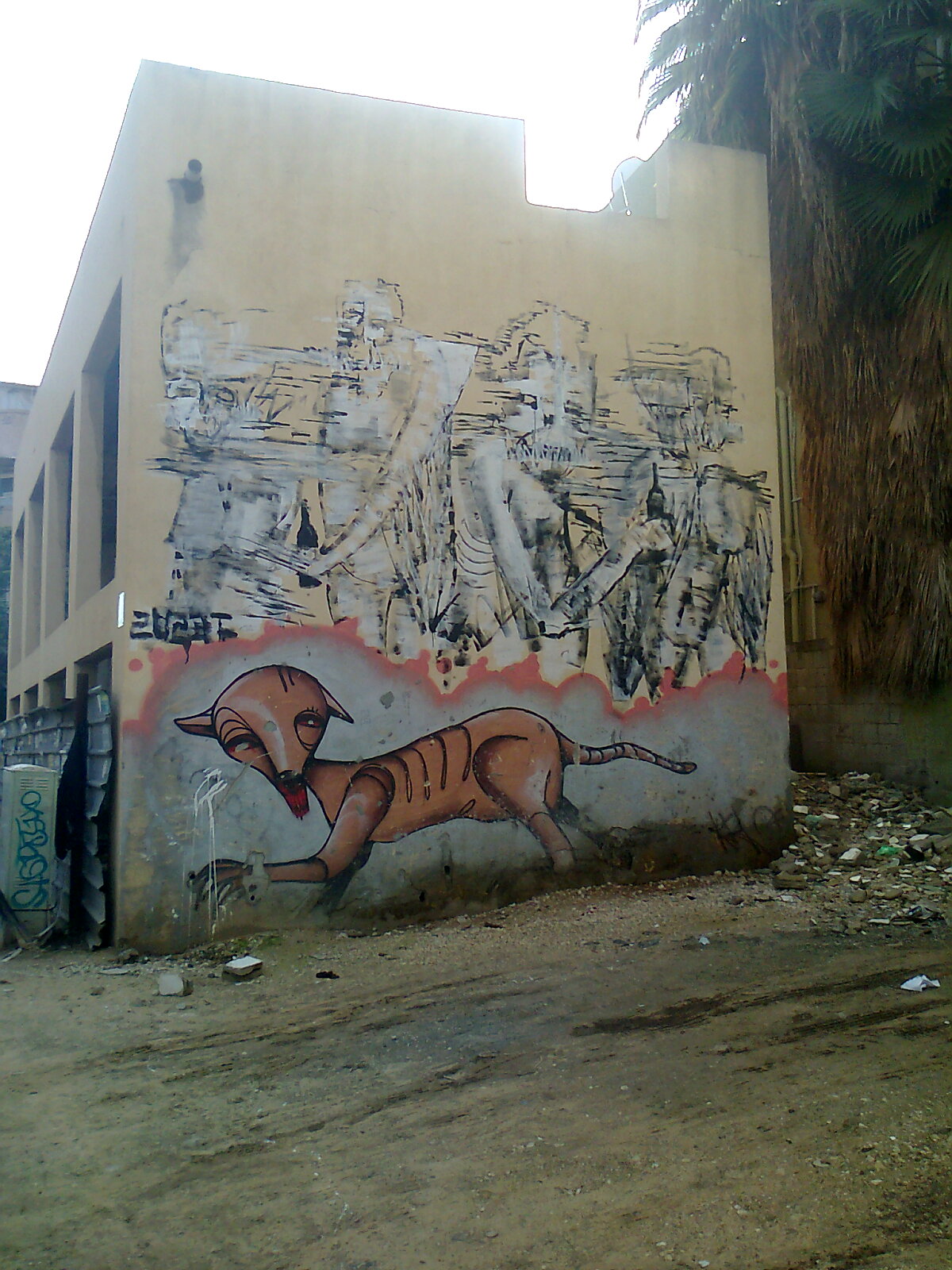
Walking the streets of Tel Aviv, it is very hard to miss the graffiti. As I have said before it is omnipresent in the city. Here are some more examples of the cool street art that I have stumbled upon in my travels through the city. Most of this street art  is found in Shapira, near the Central Bus Station, and the Florentine. I hope you enjoy and there is more to come for sure.


Saturday, December 22, 2012

Homecooking in Israel

Going to the shuk has become a weekly routine for me. For the most part I tend to stay away from Shuk HaCarmel in the city center because it very touristy. My market of choice is Shuk Hatikva in the Hatikva neighborhood. I go there because I volunteer near there and it is a great market and mostly locals shop there. It does not have the touristy t-shirts and Judaica and other things. For the most part there are the same products available everyday, but sometimes the butchers will have something one day and won't have it the next. So on Friday when I went to the market with my roommate Jeremy, I found a brisket. Something I had not seen yet at the market. I jumped on the brisket and knew exactly what do. Brisket might be my favorite thing to eat that my family makes. The smell brings me right back to New England and the people I care about the most. Cooked in my interpretation of the sauce my family uses and potatoes, sweet potatoes and carrots.  Being in Israel for ten months, I have been looking for things to bring me back home. Cooking has been a stand by for me when I miss home. Food and the smells of food has a magical way of bringing a person back to a time, place, and the people that were there. Eating the brisket I made with my roommates brought me back to Massachusetts at my house and Vermont at my Nana's house. The happiness that I felt was what it was really about. A delicious brisket on a rainy day was what I needed. It came out amazing. It was the perfect thing to make any person with a soul happy. It was homecooking at its finest. I know my family would have approved of the brisket I  made. 


Arab Populations Tiyul

This past Thursday, my program went on a tiyul(trip) up north to the Wadi Ara region of Israel. The Wadi Ara is known for its Arab population. As part of our class on the Arab Populations of Israel, we learned first hand what these populations feel about their situation. We went to the cities of Umm al-Fahm,Baqa al-Gharbiyye and Bartaa. These cities have an Arab Muslim majority. These cities also are extremely close to the Green Line and Bartaa is divided by the Green Line so there is an Israeli Bartaa and a Palestinian Bartaa.

The city of Bartaa is very interesting in that is divided by the Green Line, yet not the Separation Wall. Both sides of the city are connected, yet some residents carry Israeli ID's while others carry Palestinian ID's. Since the city is in a unique situation, there is a tax free zone on the Palestinian side since the PA has not come to collect taxes. This means that Palestinian side has lower prices on goods and has attracted many residents with Israeli ID's to set up businesses on the other side of the Green Line and vice versa. With the economic situation being as it is, many Israelis travel to Bartaa to buy goods since it is cheaper than buying them in Israel. When talking with some of the residents, they all have something different to say. Every single one feels differently about the situation. Some feel Israeli, while others feel Palestinian. Yet they all feel Arab. Some point to one side or the other, yet it was interesting to hear one man say its extremists on both sides for the current status quo. We also learned that many residents of Bartaa  want to keep the status quo because of the economic benefits they experience. It was interesting to learn that even though they would like to see something done about the situation here, they are looking at what will make them prosperous and stable.


 After Bartaa, we went to Baqa al- Gharbiyye to talk with a group of teachers at a local high school. It was very interesting to hear what they had to say. We had so many questions for them. It was eye-opening to hear what they had to say and how they have experienced living in Israel as an Arab. After that we went for lunch at a great restaurant for shwarma, hummus, and falafel. All of the food was delicious and flavorful. I had lamb shwarma in a pita, but others got hummus, falafel and salads. As is typical in other Shwarma and Falafel restaurants in Israel, salads are available with your meal. You go up to the buffet, and take which salads you want. The fried eggplant and cauliflower were great.


After lunch, we went to a very cool art museum in Umm al-Fahm. The gallery was very interesting. They were getting ready for a new exhibit so some of the pieces were not labeled, but it was fascinating. The gallery also had an exhibit on the elders of the Wadi Ara. When looking at the faces of the elders, I noticed that they did not have happy facial expressions. Their facial expressions seemed to be indifferent, sad, or pissed off. Maybe they seemed this way because of what they had experienced during their lives. They have obviously been through a lot. They have seen discrimination, not to mention the status quo. I could see the history they had experienced on their faces. It left me wondering why the status quo is what it is. The other side of the conflict was evident. It was great to see it. It brings the whole situation to a new level for me. Anyways, it was a fascinating tiyul and it left me asking many questions. If I could do it again I would because it was a very rainy and gross day so we had to dodge the rain while we were walking. Anyways more to come from Tel Aviv in the coming future.


Monday, December 17, 2012

Hanukkah in Israel

Hanukkah in Israel is very special. Everyone seems more happy, maybe its the sufganiyot. Instead of potato pancakes called Latkes which are traditionally associated with Ashkenazi culture, Israelis eat sufganiyot which are donuts traditionally filled with jelly. Anyways, the week before Hanukkah I got to celebrate the holiday at one of my volunteer placements called Lilach which is located in the Hatikva neighborhood of Tel Aviv. We made sivivonim(dreidels), sang Hanukkah songs, ate sufganiyot, and did a group art project. It was very fun.


Throughout the city of Tel Aviv you could see Menorahs on the street and every night it would be lit according to which day of Hanukkah it was. While I was making latkes on the first night I could hear a block party happening down the street. Besides Latkes, my program had two parties one at our apartment and one at BINA, the place where my program is affiliated with. Both parties were great.


There are other things that make Hanukkah here special. Only here you will be in a restaurant late at night and Chabadniks( people from Chabad) ask you if you have lit the candles, and after will sing and dance with you in the middle of the restaurant. By the way, this actually happened to me and it was hilarious. Seeing dreidels with letters that stand for Nes Gadol Haya Po, which means a great miracle happened here.It says this because the Hanukkah story happened in the country. In the Diaspora, it is Nes Gadol Haya Sham, which means a great miracle happened there. There were certain things that I missed such as the smell of a brisket or a kugel in the oven. My mom giving me on gift a night. I made sure to make plenty of latkes both regular and sweet potato which made it seem a little like America, but it was just another way of celebrating the holiday. It was a great eight crazy nights this year. It was soured though by the horrible massacre in Connecticut. Many of the Israelis I talked with said there should be more gun control laws in the United States. This is something that I have been saying for years. I understand it is the Second Amendment, but after how many people have been senselessly killed because of gun violence, there needs to be something done. I don't care what you think, after the senseless violence I have witnessed in my short lifetime there needs to be something done. Too many innocents adults and children have died. Sorry for the ranting, but it had to be said. Nothing more to say but hoping for a great week ahead of me and hope everyone is safe. More from Tel Aviv in the coming days.

Saturday, December 8, 2012

Learning about the Ethiopian Aliyah

This past Thursday, my program had the opportunity to learn about the Ethiopian Aliyah, and Ethiopian community here in Israel. We were guests in Gedera, a city just south of Rehovot. There we met with the Chaverim B'Teva group that works with the Ethiopian Community there. There we met with Uvi or Rachel, who works with Chaverim B'Teva. We heard here story of migration from rural Ethiopia, through Sudan and finally to Israel. Her journey from Ethiopia to Israel was similar to many other Ethiopians who migrated to Israel. This meant walking on foot from the rural Jewish villages in Ethiopia to refugee camps in Sudan. From Sudan, the Ethiopian Jews were flown to Israel just like Uvi had. The Ethiopian Aliyah was a result of actions taken by the Mossad and the US Government in what is known as Operation Moses. There are other operations such as Operation Solomon and Operation Joshua which the Government of Israel undertook to transport the Ethiopian Jewish community to Israel.  After arriving in Israel, Uvi wanted to become Sabra(native Israeli), yet she faced some of the troubles many Ethiopians have experienced here in Israel. Such troubles included discrimination based on being Ethiopian, which is still a social issue in Israel. We then ate Ethiopian food which was delicious. The meal centered around this spongy grayish flatbread known as injera. Then there was spiced potatoes, two types of pea stews which were delicious. The Injera is made from a special kind of flour known as teff which is high in iron. The Injera however can be made of other flour due to the limited availability of the teff flour. After the batter is mixed, it is allowed to sit and ferment for a few days, which results in the sour flavor when cooked. After fermentation, the Injera is then cooked on a special pan. Even though we heard about one person's story of Aliyah, it is representative of how the Aliyah happened. Many Ethiopian-Israelis old enough experienced something very similar to Uvi. It was a fascinating experience. More to come from Tel Aviv soon. 


Sunday, December 2, 2012

Shabbat in Tzfat and the Upper Galilee

This past weekend, I took a trip up to Tzfat in the upper Galilee. Tzfat is known for being the center of Kabbalah, or Jewish mysticism. Besides being a spiritual center of Judaism, Tzfat is home to a large artist community. We learned about Kabbalah and the Jewish community in Tzfat. Tzfat is known as one of the 4  ancient Jewish cities in Eretz Yisrael. Tzfat alongside Tiberias, Jerusalem, and Hebron have always had a Jewish presence. We learned about how Tzfat was a place of migration for Sephardic Jews(Jews from Spain). They migrated to Tzfat as a result of the Spanish Inquisition. Much of the economy back then was based on manufacturing wool and textiles. We learned about the three great teachers of Kabbalah in Tzfat Isaac Luria, Yosef Karo, and Yitzhak Abuhav. Isaac Luria was known as the Ari, the great teacher of Kabbalah and the man of pure thoughts. Karo was the man of deeds and was the author of the Shulchan Aruch, or set table. The book was a how to guide as to being an observant Jew. Abuhav was known as the man of the mind and was a teacher of the Gematria. We visited his synagogue in Tzfat which is built in the Sephardic fashion. We then hiked around Mt. Meron which was fantastic. From there a few of us had Kabbalat Shabbat services with members of the Kabbalah center. it was a orthodox service with Hasidic men and their boys. It was fun to have a service, sing nigunim(melodies), and dance. After dinner we went to the house of Eyal, one of the Hasids at the Kabbalah center and learned more about Kabbalah. The next day we went for a fantastic hike in Nahal Kziv. We also got to hike through the crusader castle Monfort. It was built by the German Teutonic Knights. Overall, it was a fantastic weekend and I loved being in Tzfat. It was a very different religious experience versus being in Jerusalem. Jerusalem is the holy city. It is very orthodox and the pressure of being around so many religious people can be suffocating. Tzfat is very different. No matter how religious you are, you feel more spiritual. You feel as if you can be yourself and no one will tell you what and how to pray. You can look inward and see the beauty around you. Tzfat is one of my favorite cities in Israel for this reason, not to mention it is absolutely gorgeous. More to come from Israel soon. Here are some of the photos I took.